Summer Motorcycle Riding: How to Stay Cool, Comfortable, and Safe on Every Ride
Summer is the season many riders wait for all year. Longer days, dry roads, mountain routes, coastal rides, and weekend adventures create the perfect conditions for unforgettable motorcycle journeys. But while summer riding feels liberating, high temperatures can also introduce serious challenges for both rider and motorcycle.
Heat exhaustion, dehydration, rider fatigue, hot asphalt, engine stress, and uncomfortable riding positions can quickly turn an enjoyable ride into an exhausting experience. That is why smart preparation becomes essential during the hottest months of the year.
Whether you ride a sportbike, adventure motorcycle, touring machine, or daily commuter, understanding how to manage heat and comfort is critical for safer and more enjoyable summer riding.
Why Summer Motorcycle Riding Can Be More Dangerous Than Many Riders Think
Most riders associate difficult riding conditions with winter, rain, or cold temperatures. However, extreme summer heat can be equally demanding.
According to motorcycle safety experts, even mild dehydration can reduce concentration, reaction time, and decision-making ability while riding. Riders wearing full protective gear may lose significant amounts of fluid through sweat during long rides, especially in temperatures above 35°C (95°F).
The problem becomes worse in city traffic, where motorcycles generate additional engine heat while riders receive minimal airflow. Adventure and touring riders covering long distances during summer are especially vulnerable to fatigue caused by prolonged heat exposure.

Hydration Is More Important Than Most Riders Realize
One of the biggest mistakes riders make during summer is waiting until they feel thirsty before drinking water. By the time thirst appears, dehydration has often already started affecting concentration and physical performance.
Many experienced riders recommend drinking water before the ride even begins and continuing hydration throughout the journey. Hydration backpacks have become increasingly popular because they allow riders to drink small amounts regularly without stopping.
For longer rides, electrolyte replacement is also important. Excessive sweating removes sodium and minerals from the body, increasing fatigue and muscle cramps.
Common signs of heat exhaustion while riding include:
- Headaches
- Dizziness
- Reduced focus
- Slower reactions
- Muscle weakness
- Excessive fatigue
If these symptoms appear, riders should stop immediately, move to a shaded area, and cool down before continuing.
Protective Gear Still Matters in Hot Weather
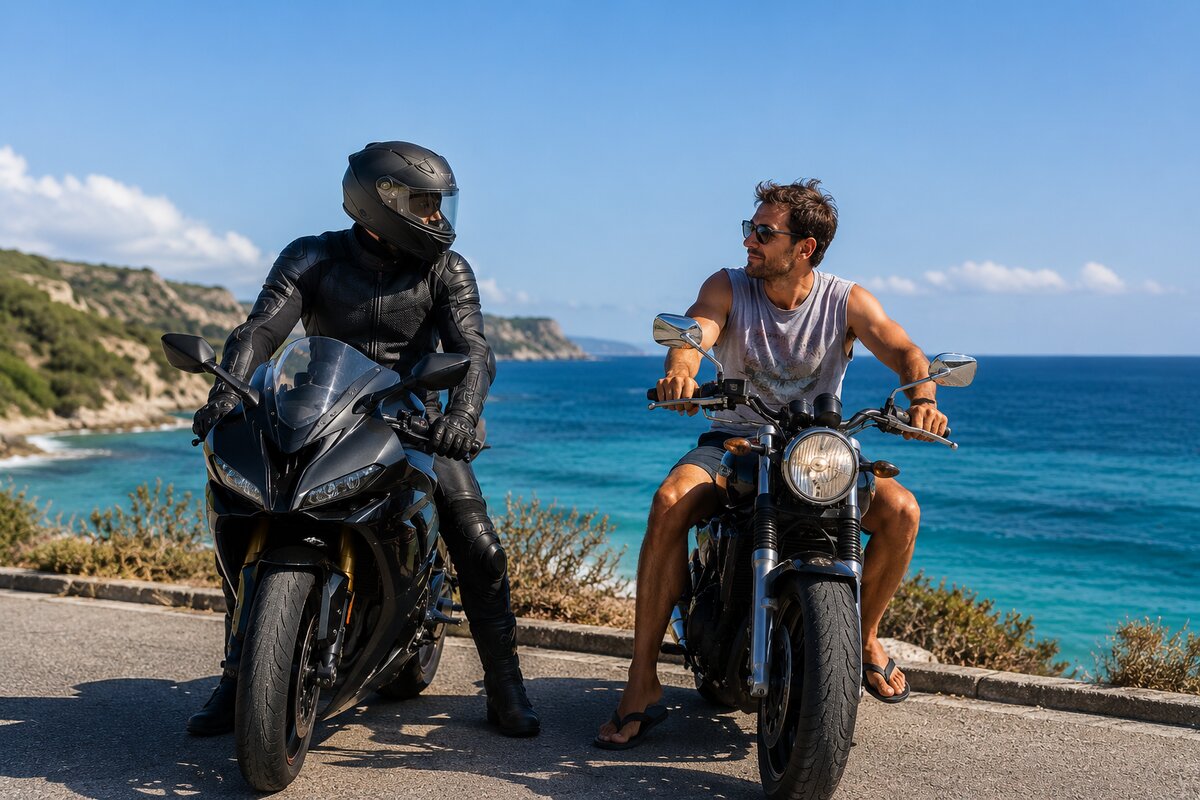
When temperatures rise, many riders feel tempted to wear lighter clothing, shorts, or sneakers. However, summer asphalt can be unforgiving during even minor accidents.
Motorcycle safety organizations consistently recommend maintaining full protective coverage regardless of temperature. The key is choosing the correct summer riding gear instead of removing protection entirely.
Modern summer motorcycle gear is specifically designed to balance airflow and protection.
Mesh Motorcycle Jackets
Mesh jackets allow air circulation while still including armor protection at critical impact areas such as shoulders, elbows, and back. Proper ventilation dramatically improves comfort during summer rides.
Ventilated Helmets
A helmet with efficient airflow channels helps reduce heat buildup and rider fatigue. Full-face helmets still provide the best protection, especially at highway speeds.
Moisture-Wicking Base Layers
Technical base layers help evaporate sweat more efficiently compared to cotton clothing, which tends to trap moisture and become uncomfortable during long rides.
Summer Riding Gloves and Boots
Lightweight protective gloves and ventilated riding boots improve airflow while maintaining safety and grip.
Interestingly, experienced riders on Reddit and Facebook often mention that fully covered gear can actually help reduce heat stress in extremely hot weather by limiting direct sun exposure and improving evaporative cooling.

Motorcycle Seats Matter More During Summer
One aspect riders often underestimate during summer motorcycle riding is seat comfort.
High temperatures increase body fatigue much faster, especially during long-distance rides. A poorly designed seat can create pressure points, reduce circulation, and trap heat, making summer riding significantly more uncomfortable.
Factory motorcycle seats are usually designed for short-to-medium riding sessions and average rider body types. During long summer rides, many riders experience:
- Numbness
- Lower back discomfort
- Increased sweating
- Pressure pain
- Reduced riding endurance
This is where ergonomic comfort seats become extremely valuable.
A properly designed comfort motorcycle seat improves weight distribution, supports natural posture, and reduces pressure hotspots. Premium seat materials and advanced foam technologies can also help improve airflow and vibration absorption during hot weather riding.
Handcrafted comfort seats with GEL technology and ergonomic shaping are specifically developed to improve rider comfort during long-distance use. GEL inserts may help reduce vibration transfer while improving seating pressure distribution over extended riding periods.
For touring and adventure riders especially, seat comfort directly affects concentration, stamina, and overall riding enjoyment.
Plan Your Summer Routes Smarter
Route planning becomes more important during summer than many riders realize.
Experienced riders often recommend:
- Riding early in the morning
- Avoiding peak afternoon heat
- Choosing mountain or shaded roads
- Taking frequent cooling breaks
- Avoiding heavy city traffic whenever possible
Even small elevation changes can significantly reduce ambient temperatures during summer rides. Forest roads and coastal routes also tend to provide more comfortable riding conditions compared to highways surrounded by concrete and heavy traffic.
Planning breaks every 60–90 minutes can help reduce fatigue and maintain focus throughout longer rides.

Hot Asphalt and Tire Performance
Summer heat affects not only riders but motorcycles as well.
Very hot asphalt can influence tire pressure and grip performance. Tire pressure should always be checked when tires are cold because pressure naturally increases during riding and under high temperatures.
Riders should also pay attention to:
- Tire wear
- Cooling system performance
- Coolant levels
- Brake condition
- Chain lubrication
Stop-and-go traffic combined with high temperatures places additional stress on engines, especially in urban environments.
The Importance of Taking Breaks
Many riders underestimate how exhausting summer riding can become after several hours on the road.
Regular breaks help:
- Reduce mental fatigue
- Restore hydration
- Lower body temperature
- Improve concentration
- Prevent heat exhaustion
Even a short stop in the shade can make a major difference during long summer rides.

Summer Motorcycle Riding – Final Thoughts
Summer motorcycle riding offers some of the best experiences a rider can have. Open roads, scenic landscapes, warm weather, and long daylight hours create the ideal environment for unforgettable adventures.
But summer motorcycle riding also requires preparation, awareness, and proper equipment.
Staying hydrated, wearing ventilated protective gear, maintaining your motorcycle properly, and investing in ergonomic comfort upgrades like a premium motorcycle seat can dramatically improve both safety and riding enjoyment.
The most enjoyable summer rides are not necessarily the fastest ones, they are the rides where comfort, focus, and endurance allow you to fully enjoy every kilometer of the journey.