Anatomy of motorcycle seats: The Science Behind Motorcycle Seats
How Your Anatomy Affects Comfort on Two Wheels:
Understanding the Importance of Motorcycle Seat Comfort
When it comes to motorcycle riding, comfort is key. Whether you’re cruising through city streets or embarking on a long cross-country journey, the comfort of your seat can greatly influence your riding experience. While many riders may focus on the engine, tires, or even the design of the bike itself, the seat is often overlooked. However, the seat’s design plays a significant role in how you feel while riding.
The secret to an optimal motorcycle seat lies not just in the materials used but also in how it complements your body’s anatomy. This article delves into the science behind motorcycle seat comfort, exploring how your body’s structure influences your comfort while riding and why an ergonomic seat is essential for long rides and better posture.

Anatomy of motorcycle seats
1. The Anatomy of a Comfort Motorcycle Seat
The first step in understanding why comfort matters on a motorcycle is recognizing how the seat interacts with your body. Motorcycle seats are designed to support key areas of the body, primarily the pelvis, lower back, and thighs. When your body is aligned correctly on the bike, you can avoid unnecessary pressure and discomfort, which are common causes of fatigue and pain.
Pelvic Support: The pelvis is the central point of contact between you and the bike. A poorly designed seat can lead to misalignment of the pelvis, causing discomfort, numbness, or pain, especially on longer rides.
Lower Back Relief: A motorcycle seat should support the natural curvature of your spine. A lack of lumbar support can lead to lower back pain, even after relatively short rides.
Thigh Comfort: Thighs are another area that can experience strain from sitting in one position for long periods. An ergonomic seat design ensures that there is enough space for your thighs to rest comfortably, reducing fatigue.

Anatomy of motorcycle seats
2. The Role of Pressure Points in Motorcycle Seat Comfort
One of the main factors contributing to discomfort during motorcycle riding is pressure. When you sit on any surface for an extended period, pressure builds up on certain points of your body. On a motorcycle, these pressure points can cause discomfort or even pain, leading to frequent shifts in position and ultimately reducing your riding experience.
Ischial Tuberosities: Commonly known as “sit bones,” these bony protrusions in your pelvis are primary pressure points when sitting. Without adequate cushioning or support in this area, prolonged sitting can cause numbness and discomfort.
Perineal Pressure: Another critical area is the perineal region, located between the pelvic bones. Prolonged pressure here can lead to discomfort and reduced blood circulation, often causing numbness in the lower extremities.
Anatomy of motorcycle seats
3. How Different Riding Styles Influence Seat Comfort
Motorcycle riding styles vary greatly depending on the type of bike and the kind of riding you’re doing. Whether you’re on a sportbike, cruiser, touring bike, or off-road motorcycle, the ergonomics of the seat must be tailored to your riding posture and the forces your body will endure.
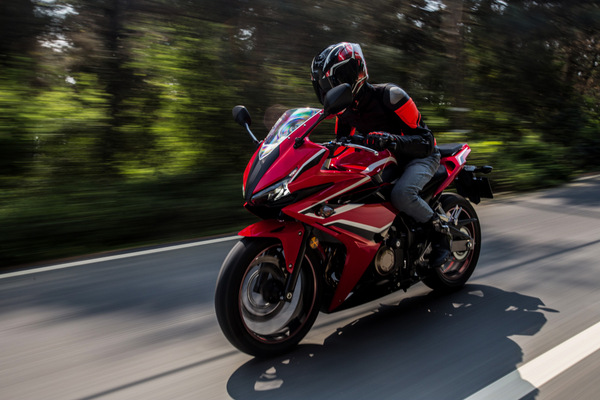
Sportbikes: Sportbike riders often adopt an aggressive riding posture, leaning forward onto the handlebars. This puts additional pressure on the pelvis and lower back. A well-designed seat will provide support for the pelvis while offering cushioning to reduce pressure on the lower back and tailbone.
Cruisers and Touring Bikes: Riders of cruisers and touring bikes often maintain a more relaxed, upright posture. For these bikes, seats are typically wider and more padded to accommodate the longer rides these motorcycles are designed for. Proper lumbar support and cushioning in the seat can help prevent discomfort from prolonged sitting.
Off-Road Riding: Off-road riders often need seats that offer a balance between durability and comfort. These seats should be firm enough to withstand rough terrains while providing enough cushioning to absorb impacts. A well-designed off-road seat also helps with stability, ensuring the rider can maintain control during bumpy rides.
Anatomy of motorcycle seats
4. Why Ergonomic – Comfort Seats Are Essential for Long Rides
One of the most significant advantages of an ergonomic – Comfort seat is its ability to reduce discomfort on long rides. When you’re riding for several hours, the body naturally goes through changes in posture. This can lead to muscle fatigue, pressure points, and poor circulation if your seat isn’t designed to support your body.
Spinal Alignment: A seat designed with ergonomic principles in mind will keep your spine properly aligned, reducing the risk of developing back pain. By ensuring that your pelvis and spine are supported, an ergonomic seat reduces muscle tension, allowing you to ride for longer periods without discomfort.
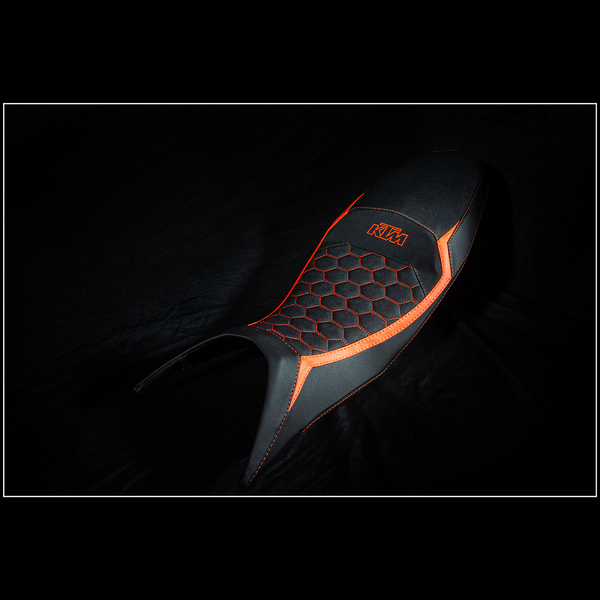
Pressure Relief: Specialized Comfort seats often feature materials like Air Cell or Gel inserts that help distribute pressure evenly across the seat. This prevents excessive pressure on specific areas of the body, allowing for a more comfortable and sustainable ride.
Posture Support: An ergonomic seat encourages better posture while riding. When your posture is correct, you’re less likely to experience fatigue, and your body will remain more comfortable for longer periods.
Anatomy of motorcycle seats
5. Materials That Make a Difference in Motorcycle Seat Comfort
The materials used in the construction of your motorcycle seat are just as important as its design. The right materials can make a significant difference in comfort, durability, and overall performance. Some of the most commonly used materials for motorcycle seats include:
Air Cell: This is a relatively new material that MotO.K began using in motorcycle seats after more than two years of research. Soft, comfortable, lightweight, and durable, it absorbs vibrations and improves weight distribution. It is ideal for motorcyclists who travel long distances and desire a more “relaxed” and “soft” feel.
Gel Inserts: Gel inserts are often used in comfort seats to reduce pressure on key areas, such as the ischial tuberosities. The gel helps absorb shocks and vibrations, providing a smoother ride. It is ideal for motorcyclists who prefer a more “firm” and “sturdy” feel.
ERGO Foam: ERGO foam is used in Comfort and performance seats. It offers firm support while still maintaining an extremely high level of comfort over long distances.
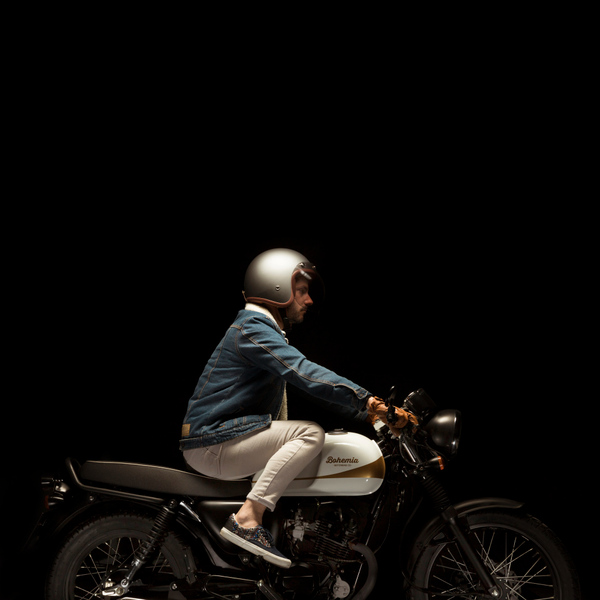
Leather and Synthetic Covers: The seat cover material can also impact comfort. Leather is durable and breathable, but synthetic materials may offer better water resistance and UV protection, which can prolong the life of your seat.
Anatomy of motorcycle seats
6. How to Choose the Right Seat for Your Body
When selecting a motorcycle seat, it’s essential to consider both the design and the materials used. Here are some tips for choosing the right seat based on your body:
Consider Your Riding Posture: If you tend to ride in a more aggressive posture (leaning forward), look for a seat with extra support for the lower back and pelvis. For upright riders, focus on wider seats with more cushioning for comfort over long distances.
Ask the Experts: If you want to find out the ideal combination for your body type, the type of motorcycle you ride, and the use you make of it, don’t hesitate to contact specialized professionals, like those at MotO.K, who can provide you with all the necessary information.
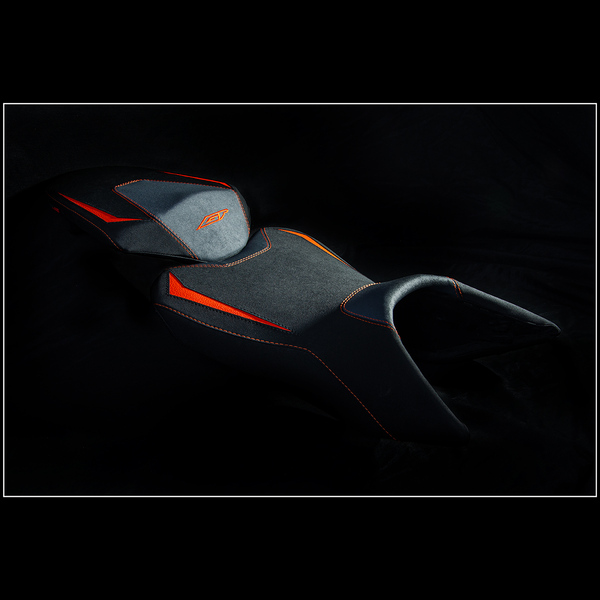
Look for Customizable Options: If you have specific needs or preferences, look for seats that can be customized to your body shape. At MotO.K we offer seat modifications, such as adding gel inserts or adjusting the padding for a more ergonomic fit.
Anatomy of motorcycle seats – Conclusion: The Right Seat Equals a Better Ride
The science behind motorcycle seat design is far more intricate than most riders realize. An ergonomic, anatomically designed Custom Comfort Seat can significantly enhance your riding experience by providing support, reducing pressure, and improving posture.
Whether you’re taking a quick ride around the city or embarking on a long-distance adventure, investing in a seat that matches your body’s needs can make a world of difference in comfort, safety, and overall riding enjoyment.
By choosing a motorcycle seat that’s designed with your body in mind, you’re not just improving comfort – you’re improving your ride.